
Project risk rarely begins with one dramatic failure. More often, risk builds through small gaps. A connection remains undefined. A coating requirement sits in a separate specification. A release date does not reflect current material lead times. A large assembly looks efficient on the drawings but exceeds practical shipping limits. A field sequence changes after detailing begins.
By the time steel reaches the shop floor, many decisions already shape cost, schedule, quality, and installation. Late clarification forces teams to react after choices narrow. Early steel fabricator involvement creates a better opportunity. Contractors, engineers, detailers, erectors, suppliers, and fabricators start identifying issues while the project still has room to respond.
The fabricator brings a practical view of how steel will move from design through purchasing, detailing, production, coatings, loading, delivery, and erection. Early input supports clearer scope, stronger constructability, better release planning, and more informed procurement. Early involvement does not remove every project risk. No project process does. The goal is to find more risks before they become expensive.
AISC describes the structural steel fabricator as a valuable design-phase resource and recommends consultation as early as possible. AISC also reports documented projects where early involvement reduced the schedule requirements for the steel portion by as much as 30 percent. Those results depend on project conditions, but the underlying lesson remains practical. Earlier coordination gives the team more options.
Risk Often Starts Between Scopes
Steel packages pull information from structural drawings, architectural drawings, specifications, addenda, schedules, delegated-design requirements, and field planning. Each source might be accurate on its own while still leaving uncertainty between documents.
A fabricator reviewing the project early looks for those boundaries. Does the structural scope include stairs, railings, equipment supports, roof-opening frames, lintels, embeds, or support steel? Who owns connection design? Which party supplies loose connection material? Are shop primers, high-performance coatings, galvanizing, fireproofing coordination, or touch-up requirements included? Do testing and inspection requirements apply in the shop, in the field, or both? Does the erection plan require temporary steel or special lifting attachments?
These questions affect far more than bid accuracy. An undefined item might need engineering, material, detailing, fabrication, finishing, and shipment. Missing the item at bid time does not remove the work. The gap usually returns later as an RFI, change discussion, rush purchase, field modification, or schedule conflict.
Early scope review gives the project team time to assign responsibility in clear language. The contractor gains a stronger comparison between bids. The engineer sees areas needing clarification. The fabricator builds a more reliable estimate and schedule. The erector gains better visibility into what will arrive and how each piece supports installation.
Mid-City Steel’s prefabrication process starts with scope clarity, constructability, quantity review, alternates, RFI support, milestone planning, and early issue identification. The purpose is straightforward. Cleaner information early supports fewer assumptions later.
Constructability Requires a Shop and Field Perspective
A design might satisfy structural requirements yet still present fabrication or erection challenges. Constructability review brings those practical concerns into the conversation before production starts.
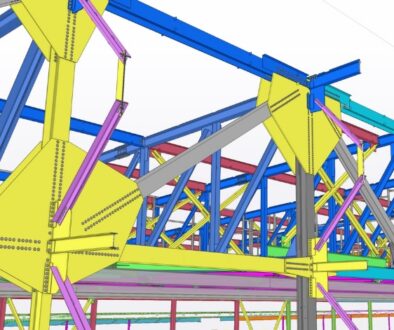
Connection geometry offers a common example. A connection needs enough room for bolts, welding access, inspection, tools, and field installation. Tight spaces around stiffeners, plates, deck edges, equipment, or adjacent framing might limit access. A detailer sees the geometry in the model. A fabricator sees how parts will be cut, fit, welded, handled, and inspected. An erector sees how workers and tools will reach the connection in the field.
Member size creates another set of questions. A large assembly might reduce field work, but shipping weight, trailer dimensions, route restrictions, crane capacity, pick radius, and site access still govern what reaches the jobsite. Splitting an assembly might improve transportation while adding field connections. Early review helps the team compare those tradeoffs while revisions remain manageable.
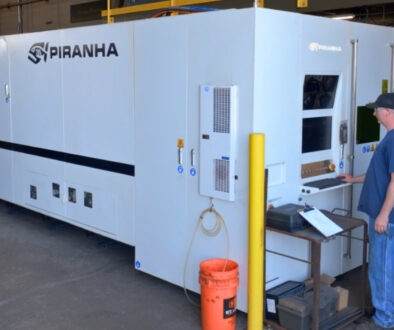
Fabrication sequence matters too. Weld order influences distortion. Coating requirements influence connection details, surface preparation, handling, and cure time. Galvanized assemblies need suitable venting and drainage details. Architecturally exposed steel demands added attention to appearance, alignment, welds, and finish. Robotic or automated processing works best when details support the equipment and production flow.
A fabricator does not replace the structural engineer or direct the erector’s means and methods. The fabricator adds production knowledge and raises questions for the responsible parties. Early steel fabricator involvement gives those parties better information before approving a path.
Schedule Risk Begins Before Fabrication
Project schedules often show a single line for structural steel. Real steel schedules contain many connected activities. They include design development, connection decisions, modeling, approval drawings, review cycles, RFIs, material purchasing, fabrication releases, shop production, inspection, coatings, shipping, and erection.
A delay in one phase moves pressure downstream. Late design information compresses detailing. Slow approvals delay material or production releases. A revised erection sequence changes shop priorities. A coating system adds preparation, application, cure, inspection, and handling time. A missed mill rolling date shifts procurement by months.
Early planning breaks the steel package into decisions and milestones. Which information must be complete for an early material order? Which areas need full approval before fabrication? Which zones drive the erection start? Which members involve long-lead material, heavy plate, special grades, complex coatings, or outside processing? Which loads need permits or special routing?
A phased release strategy often supports a fast project better than waiting for every drawing to reach the same level of completion. Foundations, embeds, primary framing, equipment support steel, and miscellaneous items might follow different approval paths. The right release plan depends on the project. The important step is building the plan with procurement, fabrication, and field needs in view.
The Steel Market Adds a New Level of Procurement Risk
The steel market continues to present scheduling challenges. Common structural shapes and plate once readily available from service centers have become harder to source in many purchasing situations. Mid-City Steel is also seeing mill rolling schedules extend six months or more for some products.
Strong demand from data centers, infrastructure, energy, and major industrial projects continues to absorb production. Limited mill capacity and fewer rolling dates affect certain structural shapes. Service centers are carrying reduced inventories while demand remains high. Transportation and labor constraints add pressure throughout the supply chain. Market uncertainty also encourages buyers to secure material earlier than usual.
These conditions matter because mills do not roll every size continuously. Mills group similar shapes and products into scheduled campaigns. When a service center lacks the required size, buyers often wait for the next rolling. Missing one rolling date might add months to a project schedule.
A specification might call for a size shown as standard, yet standard does not always mean immediately available. Plate width, thickness, grade, toughness requirements, domestic sourcing rules, testing, and quantity also affect procurement. A small quantity of an uncommon product sometimes presents a greater challenge than a large order of a common size.
Early steel fabricator involvement brings availability into design and schedule discussions sooner. The team gains time to verify service-center stock, review mill schedules, reserve material, issue early procurement packages, or evaluate approved alternatives.
Any material or design substitution still requires review by the responsible engineer and other required parties. The value lies in identifying the need before availability reaches the critical path.
Proactive Procurement Protects More Than the Start Date
Material planning influences the entire project. An early order supports detailing and production only when quantities, grades, sizes, and release assumptions are controlled. Buying too late risks schedule delay. Buying too early without enough design certainty risks waste, restocking costs, or material no longer matching the final design.
The fabricator helps define the information needed for a responsible purchase. Preliminary models or quantity takeoffs might support an advance bill of material. The team might release common shapes first and hold specialized members until design reaches a suitable point. The fabricator might compare service-center inventory with mill availability or discuss alternate plate dimensions, splices, member sizes, or connection approaches with the engineer.
Mid-City Steel works with mills, service centers, engineers, and contractors to identify sourcing risks and practical options. Sometimes the best response involves securing material sooner. In other situations, the team might adjust release timing, use available stock more efficiently, divide packages, or review a different approved approach.
No sourcing strategy works for every project. Current conditions reward early decisions, current information, and direct communication. Proactive procurement often marks the difference between maintaining momentum and waiting for the next mill rolling.
Early Coordination Improves the RFI Process
RFIs serve an important role, but timing shapes their impact. An RFI issued during preconstruction gives the design team space to evaluate options. The same RFI issued after material arrives or fabrication begins carries greater schedule and cost pressure.
Early fabricator review helps identify questions with downstream consequences. Does a connection conflict with an architectural finish? Does an embed location match the concrete schedule? Does an equipment opening have enough framing? Do drawing elevations agree? Does a platform support clash with piping? Does a coating specification match the stated exposure and finish? Does the design provide enough room for erection access?
A strong RFI does more than point out a conflict. The RFI explains the condition, shows the affected area, states the needed decision, and identifies schedule impact. Where appropriate, the fabricator also offers practical options for review. Clear questions help engineers respond efficiently and help project managers track decisions against release dates.
Early involvement also gives teams a better change-control process. A revision affects more than a drawing. The change might alter purchased material, model data, CNC files, work already in process, coatings, shipping plans, or erection sequence. Connected communication helps each department understand the current direction.
Better Information Supports Better Budget Decisions
Early estimates often contain uncertainty. Design development remains in progress. Connection quantities are incomplete. Miscellaneous steel lacks detail. Coating requirements remain under review. The schedule might rely on assumptions about approvals or material lead times.
A fabricator involved during budgeting helps separate known scope from allowances and exclusions. The team receives clearer quantities, realistic production assumptions, and early feedback on choices with major cost impact. Heavy connection material, unusual plate thicknesses, complex geometry, architecturally exposed finishes, special testing, restricted delivery windows, and accelerated sequencing all influence price.
Early input also improves value discussions. A different framing layout, connection concept, shipping split, plate size, coating approach, or release strategy might reduce labor or schedule pressure while preserving design intent. Value comes from evaluating the full installed result, not only the cost of raw steel.
The best time to consider an option is before drawings, purchasing, fabrication, and field planning commit the project to a narrower path. Early steel fabricator involvement puts production and installation knowledge into those decisions.
What Early Fabricator Involvement Looks Like
Effective involvement starts with a defined role. The project team should know what input the fabricator will provide, which decisions remain with the engineer and contractor, and when information is needed.
A useful early process often includes a kickoff meeting, scope matrix, preliminary model or drawing review, material availability check, milestone schedule, approval plan, RFI log, procurement strategy, fabrication release plan, coating review, and delivery discussion. The fabricator, erector, contractor, and engineer should align around the planned erection sequence and any special jobsite conditions.
The process should remain focused. Endless review without clear decisions does not reduce risk. Each meeting or submittal needs an owner, deadline, and connection to the schedule. Early involvement works best when project information moves toward action.
Mid-City Steel builds this work around an integrated team. Estimating, project management, detailing, purchasing, production, quality, coatings, shipping, and field experience all contribute a different view. Bringing those views together early helps the Tough Job Team see gaps before the shop or jobsite absorbs the impact.
Reduce Risk While Options Remain Open
Steel project risk grows when unresolved questions meet fixed dates. Early steel fabricator involvement changes the timing of those conversations. Scope gaps surface before award or release. Constructability concerns reach the design team before fabrication. Material availability enters the schedule before stock disappears or a rolling date passes. Delivery and erection needs influence production before loads are built.
Early coordination does not promise a problem-free project. Steel construction remains complex, and conditions change. Early coordination does create a stronger framework for making decisions while the team still has useful options.
Planning a demanding structural or miscellaneous steel project? Talk with Mid-City Steel about scope review, constructability, material strategy, detailing, fabrication, and delivery planning from the start.