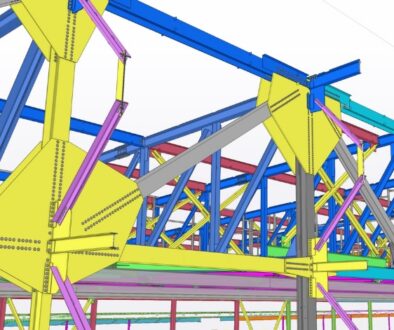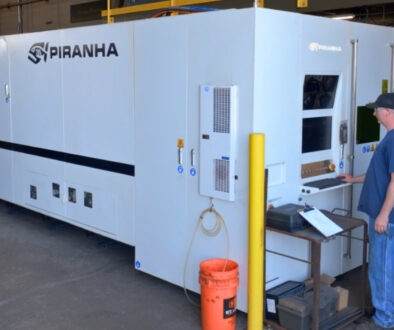
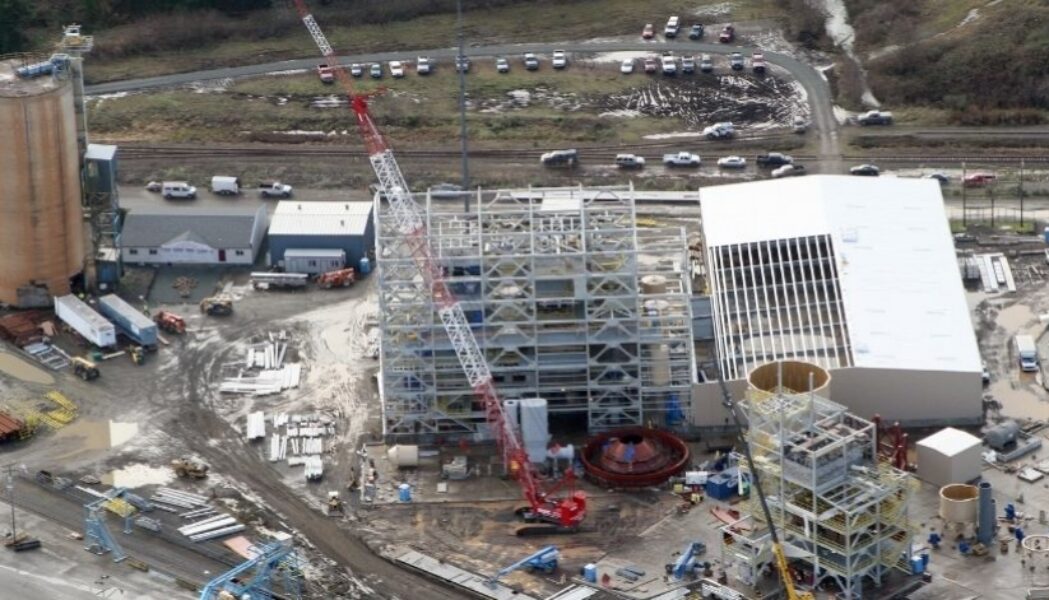
A steel delivery might look simple from outside the project. A truck arrives, the erector unloads the members, and the crane begins setting steel. In practice, each successful load reflects decisions reaching back through detailing, material purchasing, fabrication, coatings, staging, shipping, and field planning.
The order matters.
Steel fabricated in the wrong sequence might sit in the shop while a needed member remains unfinished. Steel staged without reference to the erection plan might require repeated handling. A trailer loaded for shipping convenience alone might bury the first field pick beneath later pieces. A delivery arriving before the site is ready might block access, consume limited laydown space, or force the crew to move steel twice.
Steel fabrication and delivery sequencing connects shop production to jobsite execution. A strong plan gives the erector the right pieces in a useful order, supports planned crane picks, reduces avoidable handling, and protects the larger construction schedule. A weak plan transfers confusion from the shop to the field, where labor, equipment, access, and time usually cost more.
AISC guidance assigns the fabricator responsibility for sequencing deliveries to match the erection plan, while the project team remains responsible for coordinating site access, laydown areas, and related field conditions. AISC also emphasizes an erection sequence supporting efficient and economical performance. Those expectations show why sequencing belongs in preconstruction, not in a last-minute shipping conversation.
The Erection Plan Should Drive the Sequence
Effective sequencing starts with how the erector plans to build the structure. Fabrication and trucking should support field installation, not create a separate sequence for the field to untangle.
The erection plan often considers grid lines, levels, bays, braced areas, temporary stability, crane location, crane reach, pick weights, access roads, foundations, embeds, equipment, and work by other trades. An industrial structure might progress by operating area. A commercial building might advance by floor and grid. A bridge project might follow span, girder line, shipping geometry, and erection stability requirements. A retrofit might depend on shutdown windows and access inside an active facility.
No single sequence fits every project. The common requirement is alignment. The contractor, erector, fabricator, detailer, coating team, and shipping department need a shared understanding of which steel reaches the site first, which pieces complete a stable work area, and which components should remain together.
When the planned field sequence changes, the production sequence often needs review. A crane move, delayed foundation, revised access route, late equipment delivery, or change in another trade’s work might shift priorities. Early communication gives the fabricator a chance to adjust detailing releases, shop routing, coatings, staging, and truck planning before finished pieces accumulate in the wrong order.
Crane Time Rewards Preparation
Cranes represent a major jobsite resource. Crane size, mobilization, operator time, rigging, support crews, permits, and site controls all add cost. Efficient crane use depends on more than lifting speed. The crew needs suitable steel available at the pick point when each lift begins.
Poorly sequenced loads create idle time. The crew might search for a piece, move blocking members, wait for another truck, or shift the crane to reach steel placed in an inconvenient area. Each delay affects ironworkers, connectors, bolt-up crews, welders, inspectors, and nearby trades.
Good sequencing supports direct picks from the trailer when project conditions allow. The first needed pieces remain accessible. Related members arrive together. Bundles and loose items carry clear identification. The load follows the erection area and planned pick order as closely as transportation, weight distribution, securement, and safety requirements permit.
Direct picking does not suit every site. Some projects require unloading into a laydown area. Others face narrow delivery windows, restricted truck access, weather exposure, security controls, or crane limitations. The principle still applies. Every handling step should serve the installation plan.
The fabricator and erector also need to consider member orientation. A piece loaded upside down or facing the wrong direction might need rotation before rigging. Large trusses, built-up members, platforms, stairs, and assemblies might require special lifting points or blocking. Early planning reduces surprises when the crane hook arrives.
Site Congestion Changes the Value of Every Load
Many jobsites have little room for steel storage. Urban projects compete for curb space, staging lanes, tower crane access, pedestrian protection, and deliveries from several trades. Industrial projects might operate inside active facilities with restricted routes and limited shutdown periods. Institutional projects often work around occupied buildings. Bridge and hydro projects might have remote access, narrow work zones, or environmental limits.
On a tight site, excess steel becomes an obstacle. Members placed in the wrong area block equipment or future work. Trailers waiting for unloading create traffic problems. Rehandling raises labor needs and increases exposure to coating damage, lost small parts, or piece-mark confusion.
A delivery plan should answer practical questions before the truck leaves the shop. Where will the driver enter? Is the route suitable for the trailer? Where will the truck wait? Which crane or forklift unloads the steel? Does the site have enough turning room? Which load arrives during each delivery window? Where will dunnage, bolts, deck support items, stairs, rails, and loose material go?
AISC jobsite guidance calls for adequate access roads, suitable crane operating space, and storage space supporting efficient work. When those conditions are unavailable, special delivery requirements should reach the fabricator and erector before bidding. Early notice lets the team price, schedule, and plan around the real site instead of an assumed one.
Fabrication Sequence Starts With Releases
The field sequence only works when detailing and fabrication releases follow a useful plan. Releasing steel by drawing completion alone might not support erection. A project needs release packages linked to field milestones.
A typical sequence might begin with anchor rods and embeds, followed by columns, beams, bracing, joist supports, stairs, platforms, and rails. Another project might need equipment support frames before surrounding building steel. A bridge might require girders, cross-frames, diaphragms, bearings, and connection material grouped by erection stage. A retrofit might need temporary support steel before permanent members.
The detailer plays a central role. Models and drawings should organize piece marks around planned releases. RFIs affecting an early erection area need priority. Approval status should remain visible. Material purchasing needs enough information to support each package. Production control then routes work through cutting, drilling, fitting, welding, inspection, blasting, coating, and staging in the same general priority.
Fabrication rarely moves in a perfect straight line. Different members require different equipment, labor, processing, and inspection. A shop might process later-sequence beams while a complex early assembly remains in fitting or welding. Good production control balances shop efficiency with field need.
The goal is not rigidly producing one piece at a time in erection order. The goal is finishing complete, useful shipping groups when the jobsite needs them.
Mid-City Steel connects release planning, work-order routing, material tracking, quality checkpoints, and delivery sequencing through its prefabrication and production-control process. Each service supports the next phase, which helps decisions from early planning remain connected to installation.
Loading Is Part of the Installation Plan
A finished member is not ready for the field until the shipping team knows where the piece belongs and how the load supports unloading.
Trailer loading requires balance. The shipping team must consider legal weight, axle distribution, securement, member geometry, overhang, height, width, dunnage, coating protection, and route limits. Those needs do not always match a perfect first-piece-on-top erection sequence. Experienced logistics teams work through the tradeoffs.
Heavy or stable members often establish the load base. Smaller members, assemblies, or loose material might sit above or beside them. Pieces with sensitive finishes need separation and protection. Curved, cambered, or irregular members need support preventing damage or distortion. Bolts and small parts need clear packaging and identification.
A well-built load also considers unloading direction. The crew should know which side offers access, where rigging attaches, and whether another member blocks the pick. Shipping lists should match the physical load. Piece marks should remain visible where practical. Bundles should correspond to erection areas instead of mixing unrelated components.
Photographs and load documentation also support communication. When the field knows what is on the truck and how the material is arranged, the crew prepares rigging, labor, and storage before arrival.
Staging Reduces Rehandling
Shop staging sits between production and loading. This phase often receives less attention than fabrication, yet staging determines whether the shipping team finds complete loads in a controlled order.
Without planned staging, finished steel accumulates wherever space remains. An early member might sit beneath later work. Coated pieces might move several times before shipment. Loose material might separate from its main members. A changed delivery date might create a pile of finished steel with no clear path to the trailer.
Sequence-based staging groups steel by load, erection area, or delivery milestone. Production status should show missing pieces before loading begins. Quality documentation and coating acceptance should reach completion before release. Shipping teams should know which loads are firm, which depend on field confirmation, and which pieces require special handling.
Rehandling affects more than labor. Each movement creates another opportunity for bent attachments, damaged coatings, mixed piece marks, or unsafe congestion. Reducing moves protects quality and schedule at the same time.
Coatings Add Time and Handling Requirements
Fabrication sequence needs to account for finishing. Blasting, priming, multi-coat systems, galvanizing, fireproofing coordination, cure periods, inspection, and touch-up all influence shipment timing.
A member might be structurally complete while the coating system remains unfinished. Shipping too soon risks imprinting, blocking, adhesion problems, or damage from chains and dunnage. Delaying every piece until a large batch finishes might hold up an erection area. The production schedule should group coating work in a way supporting both process control and field need.
Complex coating systems often require environmental monitoring, specified film thickness, recoat windows, cure verification, and inspection records. Galvanized items leave the shop for outside processing and return on a separate timeline. Mixed-finish projects add another coordination layer because bare, primed, painted, and galvanized steel might serve the same erection sequence.
Loading and unloading methods also need to respect the finish. Protected contact points, suitable dunnage, softeners, and careful rigging help reduce damage. Field repair remains part of many projects, but preventable damage should not become the normal plan.
Small Pieces Create Large Delays
A missing column stops a bay. A missing clip, bolt package, shim, stair pan, handrail section, or connection plate also stops work. Small components often create outsized field delays because crews cannot complete the next step without them.
Steel fabrication and delivery sequencing should account for loose material with the same discipline applied to beams and columns. Packages need durable labels. Shipping lists should identify contents. Small parts should connect clearly to piece marks, grids, levels, or work areas. Material needed for an early bolted connection should not travel with a later finish load.
Miscellaneous steel brings additional timing issues. Embeds might need delivery before concrete placement. Stairs might support construction access soon after framing. Rails often follow slabs and finishes. Equipment platforms might need coordination with piping or machinery. A single miscellaneous steel delivery date rarely captures those different needs.
One coordinated fabricator for structural and miscellaneous scopes often gains broader visibility into these interfaces. The key advantage comes from shared planning, not from combining labels on a purchase order.
Sequence Changes Need Controlled Communication
Construction schedules move. Weather delays foundations. Concrete strength changes an erection date. Equipment arrives late. Another trade occupies the planned access route. Design revisions affect an early area. A crane schedule shifts.
The project team needs a controlled response. A phone call might communicate urgency, but production and shipping systems still need updated priorities. Detailers need to know which drawings move first. Project managers need to assess material and approval status. The shop needs current work orders. Coatings personnel need revised batches. Shipping needs new load dates. The erector needs confirmation of what will arrive.
Frequent changes also create limits. Finished steel does not instantly reorganize. A trailer might already be loaded. Coating cure might govern availability. An early piece might sit under several later members in staging. Open communication helps the field understand which adjustments remain practical and which changes create added handling or delay.
Mid-City Steel uses connected production systems for material status, piece-level tracking, revision control, production updates, scheduling, and coordination between shop and field teams. Visibility supports faster decisions when priorities shift.
A Practical Sequencing Example
Consider a three-level equipment support structure inside an active industrial site. The erector plans to start at Grid A, establish the braced bay, then work toward Grid D. The crane sits on one side because process equipment blocks the opposite side. Truck access allows one trailer at a time.
A useful sequence starts with the columns, beams, and bracing needed to establish Grid A. Connection material and shims travel with the same load. The next loads fill adjacent bays within crane reach. Stair stringers and landings follow soon enough to support planned access. Grating and rails arrive later, after major framing and equipment picks.
Now reverse the logic. Beams for Grid D arrive first. Columns for Grid A remain in coating. Bracing sits on another trailer. Stair components arrive before the frame supporting them. The crew unloads everything because the next truck needs access. The crane moves members into temporary storage, then picks them again during erection.
Both situations involve the same fabricated steel. The sequence changes labor, crane use, congestion, risk of damage, and schedule performance.
Plan the Load Before the Truck Arrives
Strong steel fabrication and delivery sequencing begins early. The contractor and erector define field priorities and site constraints. The fabricator connects those needs to detailing releases, purchasing, production, coatings, staging, and shipping. Each team communicates changes while adjustments remain practical.
The result is not a perfect jobsite with no surprises. The result is a more controlled path from shop to hook. Steel arrives for a defined purpose. Crews spend less time searching and moving material. Crane time supports installation. Tight laydown areas remain more manageable. The construction schedule gains stronger support from the steel package.
Planning a project with demanding access, phased erection, complex coatings, or tight delivery windows? Talk with Mid-City Steel about fabrication, staging, loading, delivery, and field sequence from the start.